Learn safe ways to cut and modify used wine barrels for DIYs. Get expert tips from Rocky Mountain Barrel Company on handling barrels safely.
Used wine barrels have found a new life beyond the vineyards and wineries they once served. From stunning furniture to garden décor and home accents, these reclaimed barrels are loved by DIY enthusiasts and designers alike. Whether you’ve bought used wine barrels for a creative project or want to repurpose them for personal use, it’s essential to understand the right — and safe — way to cut and modify them.
We at Rocky Mountain Barrel Company specialize in acquiring and reclaiming genuine wine barrels and whiskey barrels from the world's finest distilleries and wineries. We have watched numerous individuals reuse such barrels in a stunning manner over the years — but safety always prevails. It is imperative to follow certain steps before even cutting or altering a reused barrel.
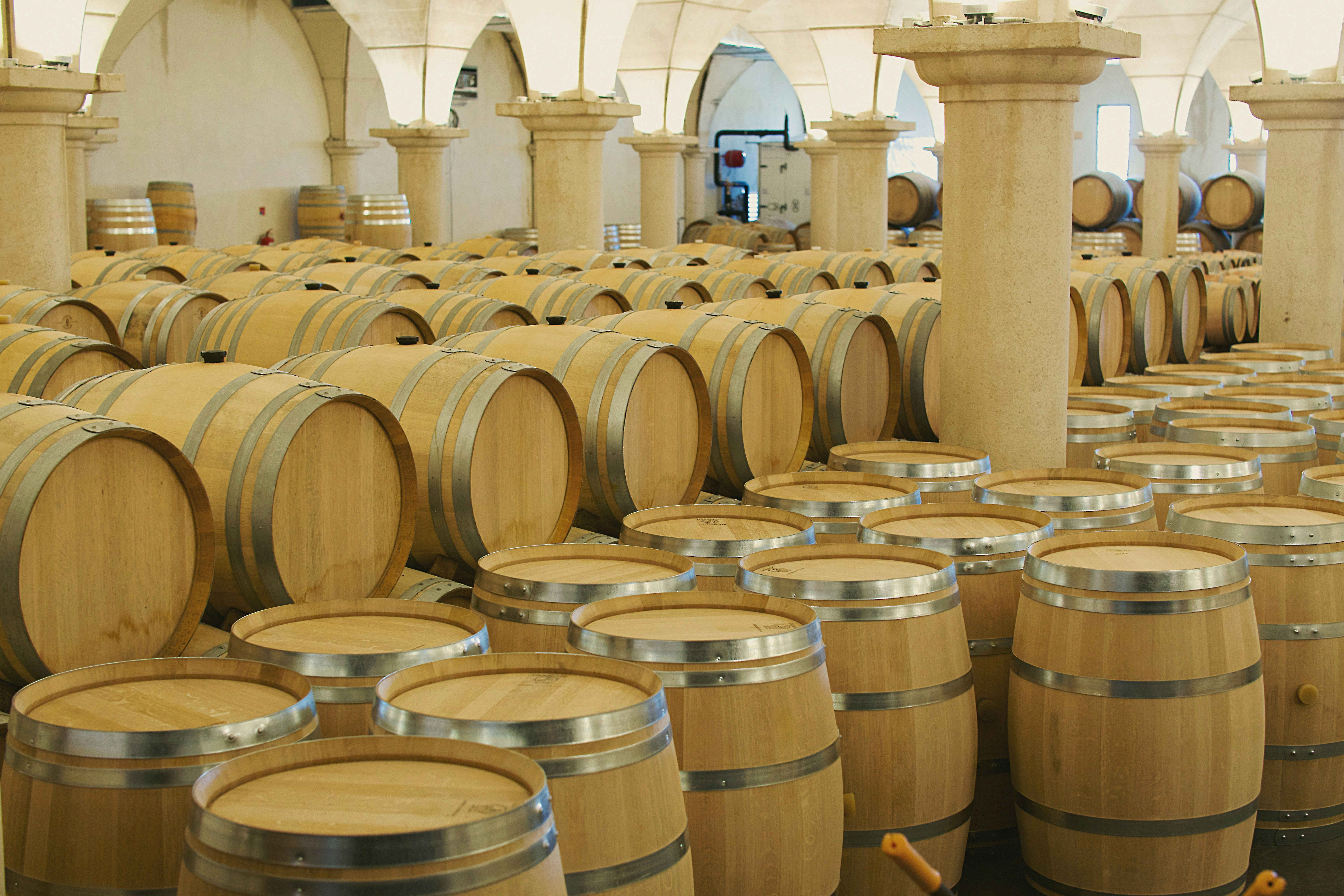
Step 1:
Inspect Your Used Wine Barrel Carefully Take a couple of minutes before cutting to examine the barrel. Check for cracks, loose hoops (the metal hoops encircling the barrel), and traces of moisture or residue within. Used wine barrels usually have remnants of wine or whiskey, which can leave behind flammable vapors or fungus if they are not cleaned. If your barrel still has a strong odor of alcohol or wine, allow it to air for a few days. You can wash it out with warm soapy water, but do not soak it, as the wood may swell and warp. When dry, tighten loose hoops using a mallet or wrench before continuing. Oak barrels are thick and dense, so cutting through them can create a lot of dust and friction. Always wear protective gear and work in a well-ventilated area.
Step 2:
Obtain the Correct Tools and Protection Modifying used wine barrels isn’t difficult, but it does require care and proper tools. You’ll need:
- A circular saw or jigsaw (depending on your project)
- Clamps to keep the barrel steady
- A drill for pilot holes
- Sandpaper or a sander
- Safety glasses, gloves, and a dust mask
Oak barrels are thick and dense, so cutting through them can create a lot of dust and friction. Always wear protective gear and work in a well-ventilated area.
Step 3:
Stabilize the Barrel Before Cutting One of the mistakes people make while handling wine barrels or whiskey barrels is not stabilizing them. Due to their curved shape, they can roll or shift when cutting them — which is highly risky. To avoid this, set the barrel on a stable surface and use wedges or wood blocks to hold it in place. Clamp it to a sawhorse or workbench too. Make sure it's securely fastened before operating any power tools.
Step 4:
Mark Your Cut Lines Clearly Before you make any cuts, go ahead and mark where you'd like to cut using a pencil or chalk. Whether you're cutting the barrel in two, making it a planter, or cutting out a door or lid, clear lines ensure precision and safety. If you’re cutting the barrel horizontally (to make two halves), it’s helpful to measure the midpoint between the hoops. For vertical cuts, start with a pilot hole using a drill — this helps guide your saw smoothly and prevents splintering.
Step 5:
Cutting the Barrel Safely When seeing old wine barrels, take it slow and easy. Allow your saw to cut — don't push it through the wood. Oak is hard, and pushing your luck can jam or kick back the blade. If you’re cutting through the metal hoops, switch to a metal-cutting blade or remove the hoops first. Keep your hands away from the blade path at all times. Once the cut is complete, inspect the edges for splinters and sand them down carefully.
Step 6:
Sand, Seal, and Protect the Wood Once cut, the inside of your barrel will most likely be rough or stained from decades of whiskey or wine aging. Sand it quite well to clean off residue, char, or sharp splinters. If you intend to use your altered wine barrels or whiskey barrels outside, seal them with a wood sealer or varnish to safeguard them against moisture and sunlight. For indoor uses such as furniture or bars, a natural oil finish will highlight the oak's stunning grain and scent.
Step 7:
Creative Ways to Repurpose Used Barrels After your barrel is safely cut and finished, the world is your oyster. Used wine barrels are transformed by many into:
Every project benefit from the rustic beauty of the barrel's previous existence, introducing warmth and character to your home.
Step 8:
Purchase Quality Used Barrels from a Reliable Source The condition of your recycled wine barrels makes your project safe and productive. Do not use barrels that are rotten, moldy, or too damaged. Instead, buy from a reliable company such as Rocky Mountain Barrel Company, where each barrel is personally inspected and acquired from reputable wineries and distilleries. We offer a wide range of wine barrels for sale, along with premium whiskey barrels and spirit barrels that have been carefully cleaned and restored for reuse. Whether you’re a craftsman, designer, or hobbyist, you’ll find barrels that inspire creativity and last for years.
Final Thoughts
Used wine barrels can be very rewarding to work with — but it all depends on preparation and safety. Carefully inspect, fasten, and cut each barrel. With proper tools and knowledge, you can turn an ordinary oak cask into a fine work of art or functional decor. If you’re ready to start your next DIY or design project, explore wine barrels for sale at Rocky Mountain Barrel Company. Their expertly sourced wine barrels and whiskey barrels are perfect for projects that blend craftsmanship, sustainability, and style.